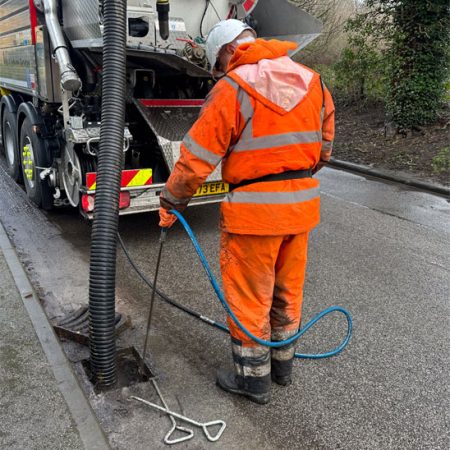
As the demand for sustainable water management grows, Sustainable Drainage Systems (SuDS) are becoming increasingly popular. SuDS offers a flexible range of components that can be customised to suit different site locations and existing infrastructure. But what exactly are SuDS? At their core, SuDS are a collection of water management solutions that work in harmony with the natural water cycle. They help to mitigate the effects of severe rainfall through various methods, which are tailored to the specific geography and infrastructure of each site.
What are SuDS?
Sustainable Drainage Systems (SuDS) represent an innovative approach to managing surface water and urban runoff. Designed to replicate natural drainage processes, SuDS captures, stores, and gradually releases rainwater, reducing the risk of flooding. In addition to flood prevention, these systems enhance water quality by filtering pollutants and support biodiversity by creating green spaces in urban areas. SuDS combines multiple techniques and components to manage water sustainably, making them a crucial solution to the challenges posed by climate change and urbanisation.
By imitating natural drainage patterns, SuDS aim to reduce surface water flooding, improve water quality, and boost local biodiversity. They achieve this by slowing down water flow, storing surface water, enabling infiltration into the ground, and reducing the transport of pollutants into watercourses.
Components of Sustainable Drainage Systems (SuDS)
Typically, a Sustainable Drainage System might contain the following components:
Source Control Methods
Intercepts rainwater early on, reducing downstream flow. Examples include green roofs, permeable surfaces, and rainwater harvesting
Pre-treatment Components
Guides surface water towards retention and infiltration areas, using vegetated swales or filter trenches to slow down and purify the flow en route
Retention Systems
Acts as a stop gap, storing water temporarily to prevent rapid discharge into rivers. Options include ponds, basins, or wetlands
Infiltration Components
Captures runoff and allows it to seep into the ground, naturally filtering the water before it replenishes the water table. Common components in the UK include soakaways
The Benefits of Sustainable Drainage Systems
Flood Risk Management: SuDS mitigates flood risks by temporarily holding water or slowing its flow during extreme weather events. Water Quality Enhancement: Natural filtration methods remove pollutants, preventing overflow into watercourses and improving potable water supplies. Biodiversity and Ecology: SuDS elements like ponds, swales, and wetlands attract diverse wildlife, benefiting local ecosystems and promoting tourism and recreation. Cost Savings: These systems are cost-effective to install and maintain. For instance, permeable pavement in parking lots not only reduces water runoff but also requires minimal upkeep, offering long-term savings.
Our Approach to Sustainable Drainage Systems
SuDS use a series of techniques that form a system, known as a management train, with components varying according to location and need. We approach each SuDS case by taking the following steps:
Planning
We survey the site, and reference local geological surveys, to build out a plan for SuDS components. We work with local authorities throughout the planning stage and ensure all designs will fit within the regulatory framework.
Design
Using a turnkey approach, we design the management train considering a wide range of factors, including how each component can improve the existing drainage situation, enhance the biodiversity of the site and make quality-of-life improvements for the local population.
Installation
We build out the required components and connect them where needed to the existing sewer network system. This could include construction and landscaping operations such as excavation, filling, grading, topsoiling, seeding and planting.
Maintenance
We work with you to create a planned preventative maintenance (PPM) schedule for routine inspection and care, which helps prevent sudden failure and higher associated costs. We also supply remedial or emergency maintenance for the full system.
Working with MRMS
We guarantee the highest quality of service and safety at all times.
Years of Experience
Highly Skilled Specialists
Fast Response Times
Latest Technologies & Equipment
Efficient and Cost-Effective Solutions
Full Regulatory Compliance
Select the fields to be shown. Others will be hidden. Drag and drop to rearrange the order.